
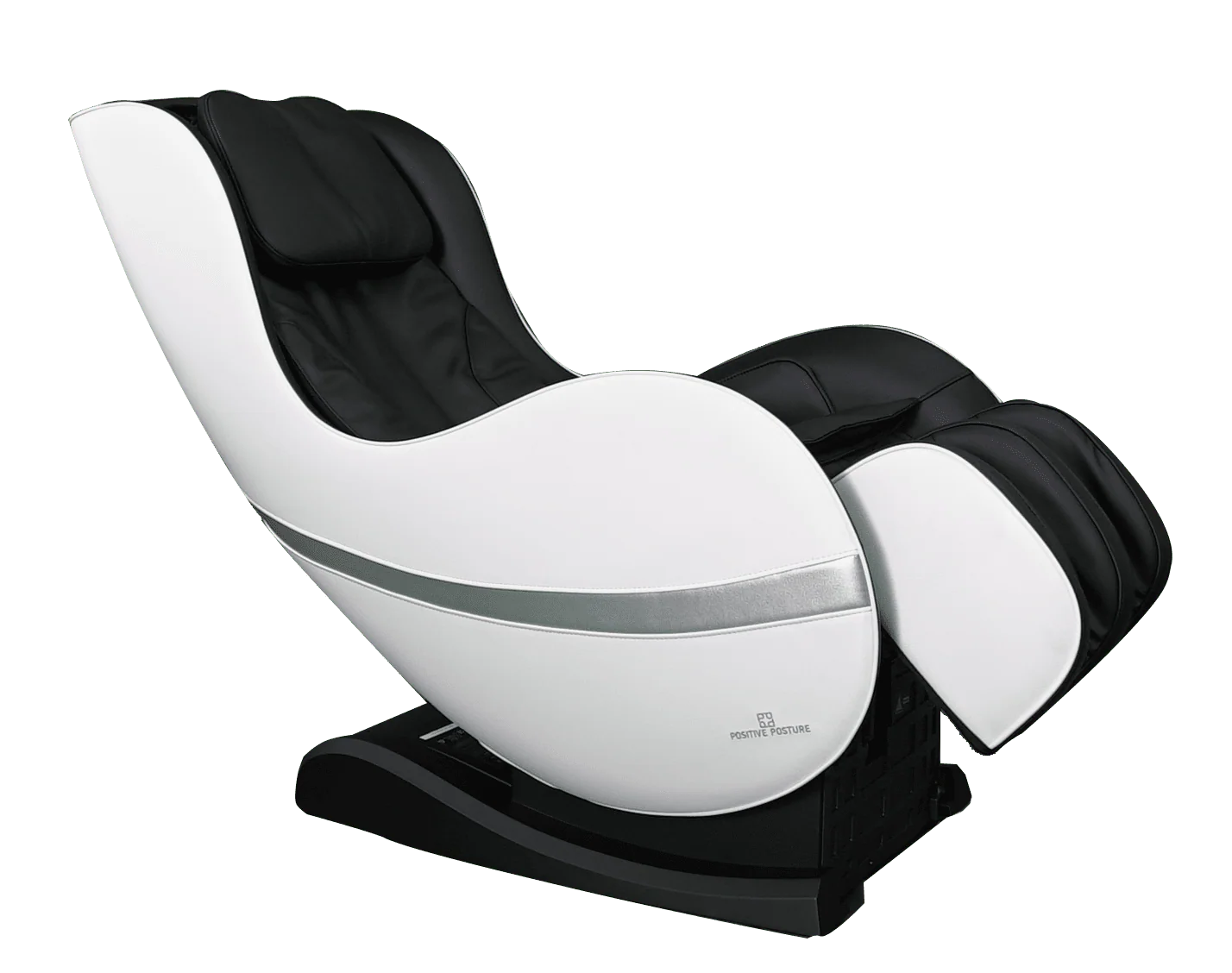
Do Massage Chairs Help With Relaxation During Recovery Days?
Recovery days are an essential part of any fitness or rehabilitation routine, allowing the body to heal, rebuild, and regain strength. During these periods, relaxation plays a crucial role in enhancing recovery outcomes. One popular method that many individuals turn to for relaxation is the use of massage chairs. These devices have gained attention not only for their convenience but also for their potential therapeutic benefits. But do massage chairs truly help with relaxation during recovery days?
Massage chairs are designed to simulate various massage techniques such as kneading, tapping, rolling, and shiatsu. By targeting muscles and soft tissues, they aim to reduce tension and promote blood circulation. Improved circulation is particularly beneficial during recovery because it facilitates the delivery of oxygen and nutrients to damaged tissues while aiding in the removal of metabolic waste products like lactic acid. This process can help alleviate muscle soreness and stiffness commonly experienced after intense physical activity.
One significant advantage of using a massage chair reviews on recovery days is its ability to induce deep relaxation through gentle mechanical stimulation. The rhythmic movements mimic human touch therapies that trigger the release of endorphins-natural painkillers produced by the brain-and reduce levels of cortisol, a stress hormone associated with inflammation and delayed healing. Lowering stress hormones contributes positively not only to physical recovery but also mental well-being.
Moreover, massage chairs provide an accessible option for people who may not have immediate access to professional massages or physical therapy sessions. They offer customizable settings that allow users to focus on specific areas needing attention such as the back, neck, shoulders or legs depending on individual needs following exercise or injury treatment.
However, it’s important to recognize that while massage chairs can be beneficial adjuncts during recovery days they should not replace medical advice or prescribed rehabilitation protocols especially when dealing with serious injuries or chronic conditions. Overuse or improper use might exacerbate certain issues rather than improve them; hence consulting healthcare professionals before incorporating regular sessions into your routine is advisable.
In conclusion, massage chairs do offer notable benefits for relaxation during recovery days by promoting muscle relief through increased circulation and reduced tension along with fostering mental calmness via hormonal balance adjustments. When used appropriately alongside other recommended practices like rest hydration stretching they can enhance overall recovery experience making downtime more effective and enjoyable.